GetAPro LLC
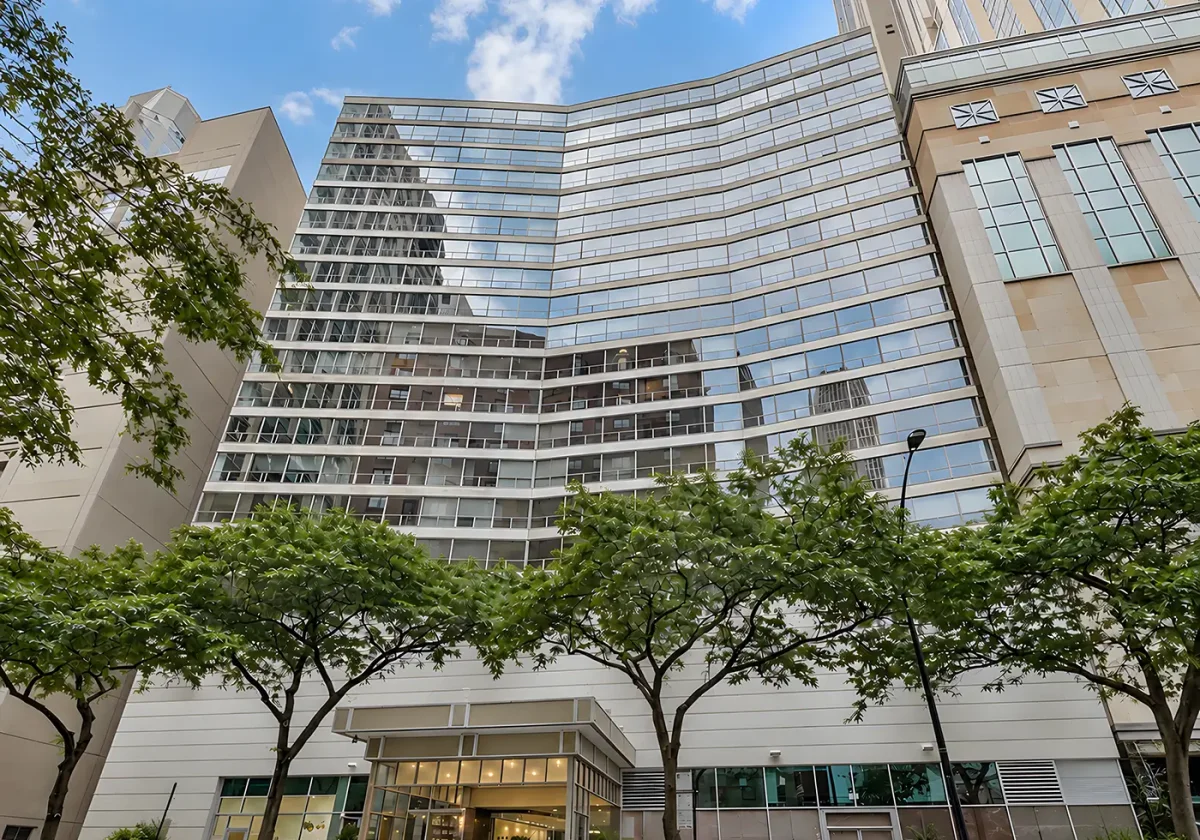
This condo inspection in Chicago, IL covered 45 individual items across the kitchen, interiors, bathroom, plumbing, HVAC, and electrical systems. The findings included 3 safety hazards, 4 recommended repairs, and 9 maintenance items. The safety hazards stood out here: a missing anti-tip bracket on the range, low windows presenting a potential fall hazard in a high-rise unit, and required GFCI protection at one Kitchen receptacle.
Range Anti-Tip Bracket
This unit's freestanding range didn't have an anti-tip bracket installed, a simple safety device that anchors the stove to the floor or wall so it can't tip forward if someone, most often a child, puts weight on an open oven door or climbs on the front of the unit. It's a straightforward and inexpensive fix, and it's one of the few kitchen items we flag as a hazard rather than a recommendation, since a tipping range can cause serious injury.
Windows and Fall Hazard
This is a high-rise unit, and the windows were found to be awning-style units that open outward more than 8 inches combined with a sill height low enough that the combination presents a potential fall hazard, a significantly more serious concern at height than it would be on a ground floor. It isn't the sill height alone that's the issue, it's that low height paired with an opening that wide. A window guard, limiter, or other hardware that restricts the opening to a safer distance may be appropriate here, and it's worth addressing before the unit is regularly occupied, especially if children will be present.
Electrical Panel and Protection
The unit's main panel is a Sylvania panel, a brand home inspectors watch for closely due to a documented history of breakers that don't always trip reliably under overload conditions, worth having a licensed electrician take a closer look at. GFCI protection was also required at one outlet and wasn't present, an inexpensive but important safeguard against shock, particularly near water sources like kitchens and bathrooms. Smoke and carbon monoxide detectors were also missing or not present in sufficient number throughout the unit, both quick, low-cost fixes that shouldn't be put off.
Interiors
Interior findings here were mostly minor and cosmetic: a door needing adjustment, cosmetic issues on the ceilings and on the walls and trim, a damaged bathroom vanity drawer, and poor or missing caulk at the countertops and cabinets. The floors had a slight slope and an uneven transition in one area where a transition strip is recommended to reduce trip risk.
Bathroom
The bathroom countertop wasn't properly secured and should be re-anchored, the toilet was loose at its base, usually either a loose flange or a worn wax ring, both straightforward repairs, and caulk around fixtures was poor or missing in places, worth resealing to keep water from getting behind the tile and vanity.
Heating and Cooling
HVAC in the unit was tested and found to be functioning properly at the time of inspection. No additional HVAC deficiencies were noted beyond the standard operational test.
Overall
With 45 items inspected, this unit's three safety hazards, the missing anti-tip bracket, the low windows, and the required GFCI protection, are the priority items here, and all three are straightforward to correct. The Sylvania panel is also worth having evaluated by a licensed electrician given its track record, even though it wasn't flagged as an outright hazard in this inspection.